
- Description
- Reviews (0)
Description
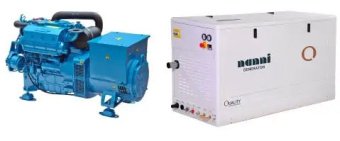
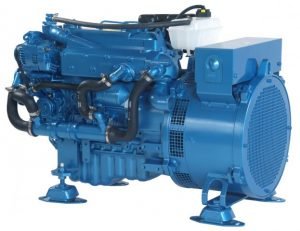
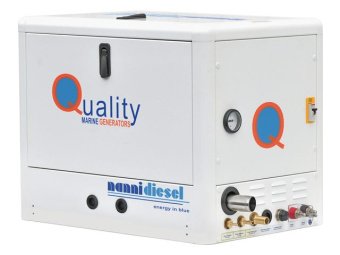
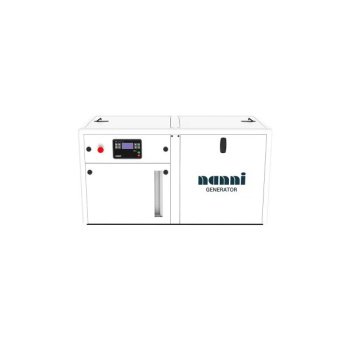
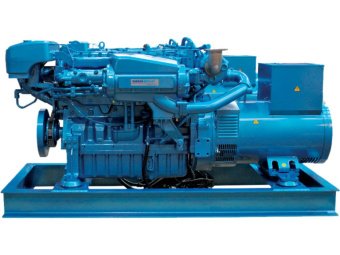
New Nanni Generator Type QMS32T Marine Generator For Sale
Reliable 25.7 kW Three-Phase Marine Power for Yachts and Professional Vessels
The New Nanni QMS32T Marine Generator is a durable, low-speed three-phase marine diesel generator engineered to provide stable onboard electricity for large motor yachts, sailing yachts, expedition vessels, passenger craft, workboats, fishing vessels, and other professional marine applications.
Built around a proven four-cylinder Kubota diesel engine and paired with a robust marine alternator, the New Nanni QMS32T combines dependable mechanical engineering, stable voltage regulation, efficient marine cooling, and practical long-term serviceability. Its substantial electrical capacity makes it suitable for vessels operating multiple pumps, refrigeration systems, air-conditioning equipment, battery chargers, water makers, ventilation machinery, galley appliances, navigation electronics, and other demanding onboard systems.
Designed for 400V three-phase marine electrical systems, the New Nanni QMS32T delivers approximately 23.4 kW of continuous power and up to 25.7 kW of prime power at 50 Hz. The generator operates at 1500 RPM with a power factor of 0.8, providing a dependable balance of electrical performance, reduced mechanical speed, and long-term operating reliability. (nannidiesel.eu)
The New Nanni QMS32T provides significantly more electrical capacity than smaller models in the Nanni marine generator range while retaining a compact four-cylinder diesel platform. It is a practical onboard marine power solution for vessels that require reliable three-phase electricity without moving immediately to a larger six-cylinder commercial generator.
Selecting the correct marine generator involves more than comparing maximum output ratings. Vessel owners, shipyards, boat builders, and marine engineers should also evaluate continuous electrical demand, motor-starting loads, phase balance, machinery-space dimensions, seawater availability, ventilation, exhaust routing, expected operating hours, and future electrical upgrades.
Purpose-Built Nanni Marine Generator Engineering
The Nanni QMS32T generator is developed specifically for demanding marine power-generation applications. Unlike a portable generator or conventional industrial generator adapted for installation aboard a boat, the QMS32T is configured as an integrated marine diesel generator set with dedicated cooling, exhaust, electrical, mounting, and protection systems.
Its marine configuration is engineered to operate in environments affected by:
- Continuous vessel vibration
- High humidity
- Saltwater exposure
- Restricted machinery-space ventilation
- Changing electrical demand
- Vessel movement and inclination
- Extended operating periods
- Limited access to shore power
The generator uses a four-cylinder, four-stroke Kubota diesel engine with approximately 3.3 litres of displacement. The naturally aspirated engine operates at 1500 RPM and uses proven mechanical diesel technology designed for reliable operation and practical maintenance.
Nanni’s marine generator systems are designed to provide stable electrical power under changing operating conditions. The constant engine speed supports consistent electrical frequency, while the electronically regulated alternator helps maintain voltage accuracy as connected loads change. (nannidiesel.eu)
Customers evaluating the Nanni Generator Type QMS32T price should consider more than the initial purchase cost. Electrical capacity, low-speed operation, engine durability, cooling-system design, service accessibility, installation compatibility, parts availability, and long-term technical support all contribute to the generator’s overall value.
Proven Four-Cylinder Kubota Diesel Performance
The New Nanni QMS32T is powered by a proven Kubota diesel engine platform developed for dependable industrial and marine power generation. Kubota diesel engines are widely recognized for durable construction, practical maintenance, efficient operation, and long service life when correctly installed and maintained.
The engine configuration includes:
- Four cylinders in line
- Four-stroke diesel operation
- Approximately 3.3-litre displacement
- Naturally aspirated air intake
- Mechanical diesel-engine architecture
- 1500 RPM rated operating speed
- Cast-iron engine construction
- Gear-driven timing system
The engine uses three valves per cylinder, including two intake valves and one exhaust valve. This arrangement supports efficient airflow through the combustion chamber. The E-TVCS combustion system creates controlled air movement within the combustion chamber to improve the air-and-fuel mixture, supporting efficient combustion and reduced fuel consumption. (nannidiesel.eu)
An injector and glow plug are positioned within the combustion chamber to support dependable starting in lower temperatures. This configuration can be particularly valuable for vessels operating in colder climates or remaining inactive for extended periods.
The generator’s mechanical diesel platform may appeal to yacht owners and professional operators who value familiar maintenance procedures and reduced dependence on complex electronic engine-management systems.
Potential advantages include:
- Practical mechanical servicing
- Familiar diesel troubleshooting
- Durable engine construction
- Established Kubota engine technology
- Reduced dependence on complex electronic controls
- Suitability for long-range cruising
- Dependable operation in professional marine applications
Mechanical simplicity does not eliminate the need for preventive maintenance. Clean diesel fuel, effective filtration, correct injector operation, reliable lubrication, proper cooling, and scheduled servicing remain essential for dependable long-term performance.
A correctly sized diesel marine generator allows vessel owners to operate important electrical systems while cruising, remaining at anchor, or working offshore without relying on marina electricity.
It may also reduce the need to operate the vessel’s main propulsion engines solely for battery charging or auxiliary electrical production.
Continuous and Prime Power Ratings
Understanding generator ratings is essential when selecting an auxiliary marine power system.
The Nanni QMS32T provides:
| Electrical Specification | Rating |
|---|---|
| Continuous Power | 23.4 kW |
| Prime Power | 25.7 kW |
| Continuous Apparent Power | Approximately 29.3 kVA |
| Prime Apparent Power | Approximately 32.1 kVA |
| Voltage | 400V |
| Frequency | 50 Hz |
| Electrical Configuration | Three Phase |
| Power Factor | 0.8 |
| Continuous Current | 42.2 A |
| Maximum Current | 46.4 A |
| Operating Speed | 1500 RPM |
The QMS32T provides 23.4 kW of continuous power and up to 25.7 kW of prime power through a 400V, 50 Hz, three-phase electrical system. Its continuous and prime ratings are stated according to ISO 8528-1 operating classifications. (nannidiesel.eu)
The continuous rating is generally the more relevant figure when calculating the vessel’s normal sustained electrical demand. Reasonable reserve capacity should remain available for temporary load increases and the startup requirements of motor-driven equipment.
Air-conditioning compressors, refrigeration systems, pumps, ventilation motors, hydraulic equipment, battery chargers, and water makers may require substantially more electricity during startup than during normal operation.
Selecting a generator that is too small may result in:
- Electrical overload
- Voltage instability
- Difficulty starting motors or compressors
- Excessive operating temperatures
- Frequent protective shutdowns
- Reduced generator service life
However, selecting a generator that is significantly larger than required may result in extended operation under very light load. A professional marine electrical load assessment helps balance continuous demand, startup requirements, operating reserve, fuel efficiency, and long-term engine performance.
Stable 400V Three-Phase Electrical Output
The QMS32T is designed for vessels requiring dependable 400V three-phase marine power. Three-phase electrical systems are commonly used aboard larger yachts and professional vessels because they distribute electricity efficiently to compatible motors, pumps, compressors, refrigeration equipment, and auxiliary machinery.
The generator may support compatible equipment such as:
- Marine air-conditioning systems
- Seawater and freshwater pumps
- Refrigeration and freezer equipment
- High-capacity battery chargers
- Ventilation and extraction systems
- Water-making equipment
- Hydraulic power units
- Commercial galley equipment
- Workshop machinery
- Navigation electronics
- Communication systems
- Vessel-monitoring equipment
- Auxiliary electric motors
The alternator provides Class H insulation, electronic voltage regulation, radio-interference suppression, and voltage accuracy of approximately ±1%. The generator is supplied with IP21 protection, with additional protection levels potentially available according to configuration. (nannidiesel.eu)
Before installation, a qualified marine electrician should verify:
- Generator voltage
- Electrical frequency
- Phase rotation
- Earthing and bonding arrangements
- Cable sizes
- Circuit protection
- Switchboard compatibility
- Load distribution
- Shore-power integration
Single-phase equipment may be supplied through a correctly engineered three-phase distribution system. However, loads should be balanced appropriately across all phases because excessive imbalance may reduce usable generator capacity and affect voltage stability.
Dependable Electricity for Modern Vessel Systems
Modern yachts and professional vessels rely on stable electricity for navigation, communication, refrigeration, battery charging, climate control, lighting, monitoring, safety systems, and daily onboard operations.
The Nanni QMS32T generator set is designed to provide reliable electrical output as connected demand changes. Stable voltage and frequency are particularly important for vessels operating sensitive electronics and several motor-driven systems simultaneously.
A dependable vessel power-generation system may support:
- Navigation displays
- Communication equipment
- High-capacity battery chargers
- Refrigeration controls
- Vessel-monitoring systems
- Lighting circuits
- Pumps and motor starters
- Safety and alarm equipment
- Galley appliances
- Passenger-service equipment
- Professional operating systems
Electrical performance depends on the complete installation rather than the generator alone. Engine-speed stability, voltage regulation, cable sizing, grounding, protection settings, phase balance, and switchboard design all influence onboard power quality.
Professional installation and commissioning are therefore important for safe and dependable long-term operation.
Marine Cooling for Sustained Generator Operation
Reliable cooling is essential for dependable marine generator performance. Marine generator sets normally operate inside enclosed machinery spaces where engine and alternator heat must be removed efficiently.
The QMS32T uses a dedicated marine generator cooling system based on heat exchange between the internal engine coolant and seawater. A raw-water pump with a flexible rubber impeller circulates seawater through the external cooling circuit. Compatible keel-cooling configurations may also be available for suitable vessel installations. (nannidiesel.eu)
A properly maintained cooling system supports:
- Stable engine operating temperature
- Efficient heat transfer
- Reliable output under sustained electrical demand
- Reduced thermal stress
- Protection of internal engine components
- Longer generator service life
Routine maintenance should include inspection of:
- Engine coolant condition
- Raw-water strainers
- Seawater flow
- Cooling hoses and clamps
- Drive belts
- Raw-water pump impellers
- Heat-exchanger components
- Wet-exhaust connections
Restricted seawater flow, a worn impeller, blocked cooling passages, or insufficient machinery-space ventilation may cause overheating even when the generator is correctly sized.
Where the generator is installed below the vessel’s waterline, the seawater and exhaust arrangement should be evaluated for siphoning risk. A correctly installed siphon break may be required depending on the vessel configuration.
Low-Speed Operation and Reduced Vibration
The QMS32T operates at 1500 RPM in its 50 Hz configuration. Low-speed generator operation can help reduce friction, mechanical wear, vibration, and operating noise compared with many compact generators operating at 3000 RPM.
Lower operating speed may contribute to:
- Smoother generator performance
- Reduced vibration transfer
- Lower mechanical wear
- Improved onboard comfort
- Dependable operation during extended voyages
- Longer generator life with correct maintenance
A properly installed quiet marine generator should also include:
- Flexible anti-vibration mounts
- Effective machinery-space ventilation
- Properly supported hoses and electrical cables
- A professionally designed wet-exhaust system
- Suitable machinery-space insulation
- Adequate maintenance clearance
Final onboard noise depends on more than the generator itself. Hull construction, mounting quality, exhaust routing, ventilation openings, compartment insulation, and vibration transfer through the vessel structure all influence acoustic performance.
Heavy-Duty Marine Installation and Service Access
The QMS32T provides substantial three-phase electrical capacity from a compact four-cylinder generator platform.
Published reference specifications identify an approximate dry weight of 550 kg for the standard generator configuration. (nannidiesel.eu)
Before installation, the vessel’s engineering team should verify:
- Overall generator dimensions
- Dry and operational weight
- Mounting-point locations
- Machinery-space access
- Maintenance clearances
- Ventilation requirements
- Seawater inlet position
- Exhaust routing
- Fuel supply and return connections
- Electrical cable access
- Lifting arrangements
- Future generator-removal requirements
When replacing an existing boat generator, matching only the electrical output is not sufficient. Voltage, frequency, phase configuration, dimensions, mounting arrangements, cooling capacity, exhaust requirements, fuel-system compatibility, and switchboard integration should also be verified.
A professional installation assessment can reduce unexpected modifications and ensure that the selected marine generator replacement remains accessible for inspection and future servicing.
Applications of the Nanni QMS32T Marine Generator
Large Motor Yachts
The generator may support compatible air-conditioning systems, refrigeration equipment, water makers, pumps, battery chargers, galley appliances, lighting, navigation electronics, and entertainment equipment.
Sailing Yachts and Expedition Vessels
The QMS32T can provide dependable auxiliary marine power for refrigeration, battery charging, water systems, navigation equipment, communications, climate control, and essential domestic equipment.
Commercial Workboats
The generator may serve as a dependable commercial marine generator for pumps, hydraulic equipment, refrigeration, workshop machinery, lighting, communication equipment, and daily operating systems.
Fishing Vessels
The QMS32T can provide electricity for refrigeration equipment, pumps, deck-support systems, lighting, battery chargers, navigation equipment, and communication systems.
Passenger and Hospitality Vessels
The generator may support compatible ventilation systems, refrigeration, lighting, galley equipment, passenger-service systems, battery charging, and onboard comfort equipment.
Marine Refit Projects
The QMS32T may be considered when replacing an ageing, inefficient, undersized, or unreliable three-phase generator, provided the vessel’s electrical and installation requirements are compatible.
Technical Specifications of the Nanni QMS32T
| Specification | Details |
|---|---|
| Brand | Nanni |
| Generator Series | QMS |
| Generator Type | QMS32T |
| Generator Category | Marine Diesel Generator |
| Continuous Power | 23.4 kW |
| Prime Power | 25.7 kW |
| Approximate Continuous Output | 29.3 kVA |
| Approximate Prime Output | 32.1 kVA |
| Voltage | 400V |
| Frequency | 50 Hz |
| Electrical Configuration | Three Phase |
| Power Factor | 0.8 |
| Continuous Current | 42.2 A |
| Maximum Current | 46.4 A |
| Operating Speed | 1500 RPM |
| Engine Base | Kubota |
| Engine Configuration | Four Cylinders, Inline |
| Engine Cycle | Four-Stroke Diesel |
| Engine Displacement | Approximately 3.3 Litres |
| Air Intake | Naturally Aspirated |
| Combustion System | E-TVCS |
| Alternator Insulation | Class H |
| Voltage Regulation | Electronic |
| Voltage Accuracy | Approximately ±1% |
| Generator Protection | IP21 |
| Cooling System | Marine Heat-Exchanger Cooling |
| Alternative Cooling | Compatible Keel Cooling |
| Exhaust System | Marine Wet Exhaust |
| Approximate Dry Weight | 550 kg |
| Application | Yacht, Workboat and Professional Marine Use |
The New Nanni QMS32T is officially specified with 23.4 kW continuous output, 25.7 kW prime output, 400V three-phase electricity, 50 Hz frequency, a 0.8 power factor, and 1500 RPM operation. (nannidiesel.eu)
Final dimensions, alternator configuration, control equipment, standard accessories, optional equipment, and installation requirements should be confirmed against the current model-specific technical documentation before ordering.
Standard Marine Equipment and Available Options
The Nanni QMS32T is supplied as an integrated marine diesel generator set designed for dependable onboard installation.
Typical marine equipment may include:
- Four-cylinder Kubota diesel engine
- Three-phase marine alternator
- E-TVCS combustion system
- Marine heat-exchanger cooling
- Raw-water pump with flexible impeller
- Marine wet-exhaust components
- Fuel feed pump
- Fuel filtration
- Engine oil filtration
- Expansion tank
- Oil-drain pump
- Electronic voltage regulator
- Generator protection equipment
- Flexible mounting arrangement
- Operating and maintenance documentation
Available installation options may include:
- Additional generator protection levels
- Keel-cooling configuration
- Fuel pre-filter
- Fuel-water separator
- Siphon-break equipment
- Remote generator monitoring
- Additional marine installation accessories
The exact standard equipment and optional package should be confirmed during quotation because production specifications, regional configurations, and vessel requirements may vary.
Genuine Nanni Generator Supply and Worldwide Support
Customers looking for the New Nanni Generator Type QMS32T Marine Generator for sale can contact our marine specialists for current availability, technical guidance, configuration information, and international delivery assistance.
We support customers with:
- Genuine Nanni marine generator supply
- Electrical-load and generator-sizing guidance
- Marine application recommendations
- Replacement-generator assessments
- Technical documentation
- Export documentation
- Worldwide shipping arrangements
- After-sales customer assistance
Whether you are completing a yacht refit, upgrading a commercial vessel, or installing a new three-phase onboard power system, selecting the correct generator configuration can reduce installation challenges and improve long-term operating reliability.
Frequently Asked Questions
What is the Nanni QMS32T price?
The New Nanni QMS32T price depends on current availability, selected equipment, shipping destination, export requirements, and delivery arrangements. Contact our team for an updated quotation.
How much power does the QMS32T provide?
The generator provides approximately 23.4 kW of continuous power and up to 25.7 kW of prime power. (nannidiesel.eu)
Is the QMS32T a three-phase generator?
Yes. It provides 400V three-phase marine power at 50 Hz with a power factor of 0.8. (nannidiesel.eu)
What engine is used in the QMS32T?
The generator uses a naturally aspirated, four-cylinder Kubota diesel engine with approximately 3.3 litres of displacement and low-speed operation at 1500 RPM. (nannidiesel.eu)
What is the continuous current output?
The published continuous current is approximately 42.2 amperes, with a maximum output of approximately 46.4 amperes. (nannidiesel.eu)
Does the QMS32T use electronic voltage regulation?
Yes. The generator uses an electronic voltage regulator and provides voltage accuracy of approximately ±1%. (nannidiesel.eu)
Is keel cooling available?
The generator can be configured with heat-exchanger cooling or a compatible keel-cooling arrangement, depending on vessel requirements. (nannidiesel.eu)
Can it replace an existing marine generator?
Yes. It may be suitable for a marine generator replacement when output, voltage, frequency, phase configuration, dimensions, mounting, cooling, exhaust, fuel, and switchboard requirements are compatible.
Is worldwide shipping available?
Yes. We support customers with international marine generator supply, export documentation, and worldwide shipping arrangements.
Request a Quote for the Nanni QMS32T Marine Generator
The New Nanni QMS32T Marine Generator is a dependable choice for yacht owners, shipyards, boat builders, marine installers, and professional vessel operators requiring reliable three-phase marine power from a low-speed Kubota diesel platform.
Contact our marine generator specialists to request the latest Nanni QMS32T price, confirm current availability, review installation requirements, and receive assistance selecting the correct generator configuration for your vessel.
Reviews
There are no reviews yet.